Cannabis oil is a highly versatile and potent product, concentrating the beneficial cannabinoids (like THC or CBD) and terpenes from the raw plant into an easily consumable form. Whether you are aiming for a mild cooking oil or a highly concentrated medicinal tincture, the process relies on two fundamental scientific principles: Decarboxylation (activation) and Extraction (dissolution into a solvent).
This guide details the steps for making potent cannabis oil at home, offering two reliable methods tailored to different needs.
Step 1: Decarboxylation – The Essential Activation Process
Raw plant material contains non-intoxicating and less bioavailable precursor compounds. Heat is required to remove a carboxyl group from these molecules, a process called decarboxylation (often shortened to “decarbing”). Skipping this step results in a weak, non-activated oil.
The Decarbing Method
- Preparation: Preheat your oven to a low temperature, ideally between 220°F – 240°F (105°C – 115°C). Maintaining a low temperature is crucial to prevent burning off volatile terpenes, which contribute to the oil’s flavor and therapeutic benefits.
- Grind and Spread: Coarsely grind your dried cannabis flower. It should be broken up but not reduced to a fine powder, as powder can make straining difficult. Spread the material evenly across a baking sheet lined with parchment paper.
- Baking: Place the tray in the preheated oven for 30 to 45 minutes. Monitor the material; it should transition from bright green to a light golden brown and become very dry.
- Cooling: Remove the tray and allow the decarbed cannabis to cool completely. It is now ready for extraction.
Method A: High-Proof Alcohol Extraction (For Potent Concentrates)
This technique uses high-proof alcohol as a solvent to rapidly strip the cannabinoids from the plant material. It is effective for creating a highly concentrated extract (like RSO) that can then be precisely diluted into a carrier oil for tinctures.
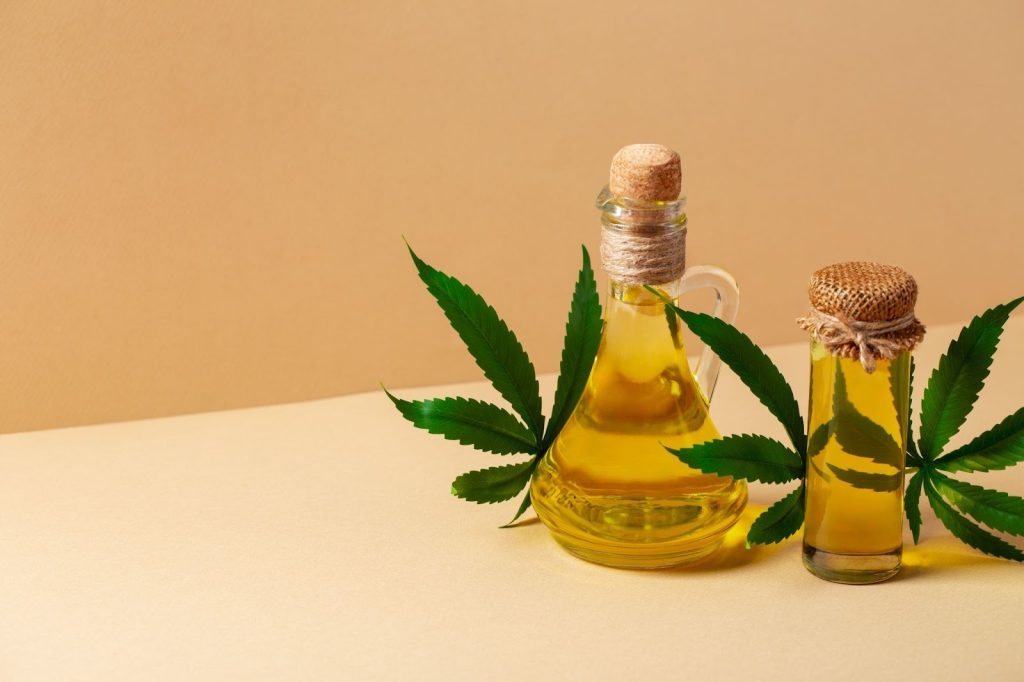
Step 2A: The Quick Wash and Agitation
- Soaking: Place the cooled, decarbed cannabis into a glass jar. Pour high-proof, food-grade ethanol over the material until it is fully submerged. Crucial Safety Note: Never use rubbing alcohol (isopropyl) or denatured alcohol.
- Agitate: Gently stir or shake the mixture for only 3 to 5 minutes. A shorter wash time minimizes the extraction of unwanted chlorophyll, resulting in a cleaner-tasting final product.
Step 3A: Straining and Filtering the Cannabis Oil
- Initial Strain: Pour the green alcohol mixture through a fine metal sieve into a large, clean glass bowl.
- Fine Filter: For a purer result, strain the liquid again through a layer of cheesecloth or an unbleached coffee filter to remove any remaining fine plant particles. Gently press the spent plant material to release the remaining solvent, then discard the plant solids.
Step 4A: Evaporating the Solvent (Safety is Paramount!)
- Ventilation: This step must be performed outdoors or in an extremely well-ventilated space, far away from any gas stoves, sparks, or open flames, as alcohol vapor is highly flammable.
- Evaporation: Pour the strained liquid into a double boiler, electric skillet, or rice cooker set to the “Warm” setting. Allow the alcohol to evaporate slowly and completely. Do not use high heat.
- Residue Check: When bubbling slows down and stops, a thick, dark, syrupy residue—the cannabis concentrate—will remain.
Step 5A: Diluting the Concentrate into Oil
- Add Carrier Oil: Once the concentrate is cool and thick, add your preferred carrier oil (e.g., MCT or olive oil). The amount you add determines the final potency.
- Homogenization: Gently reheat the mixture in a water bath (bain-marie) for about 10 minutes, stirring constantly until the thick concentrate is fully and evenly dispersed throughout the carrier oil.
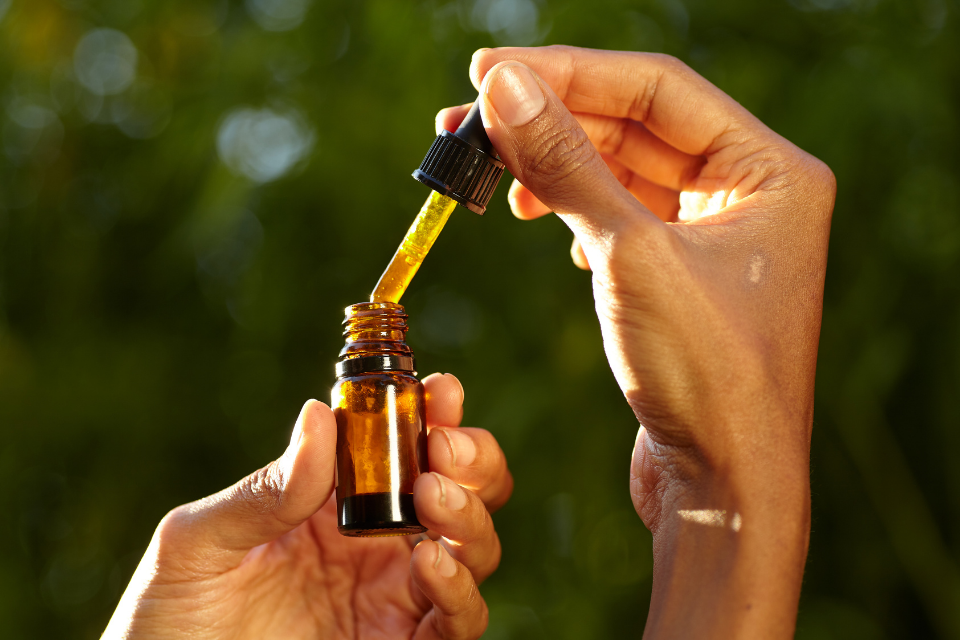
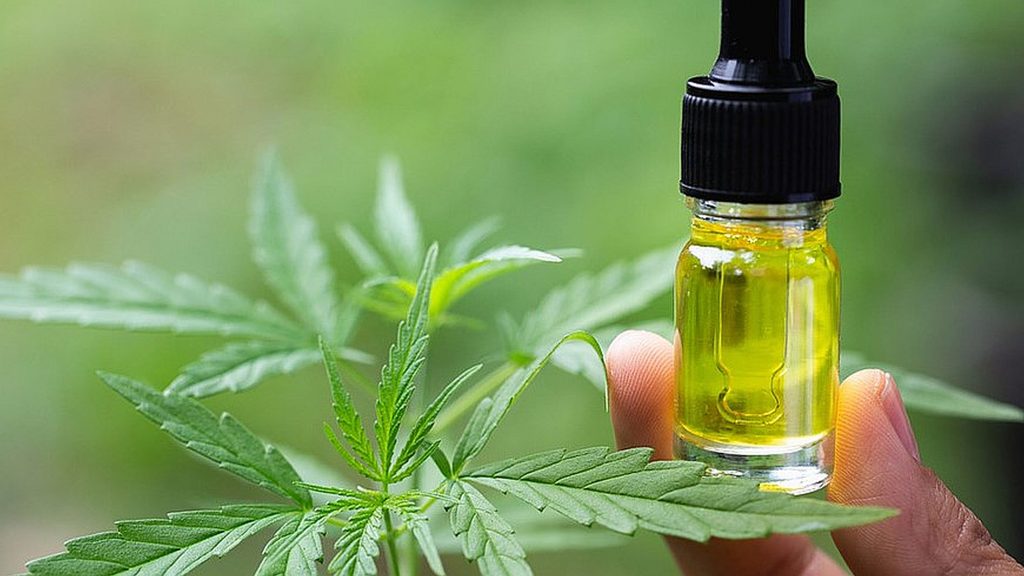
- Storage: Transfer the finished oil into opaque dropper bottles and store in a cool, dark location.
Method B: Simple Oil Infusion (For Cooking and Gentle Tinctures)
This method is safer and requires less specialized equipment, as the carrier oil itself acts as the solvent. It is perfect for making cannabis-infused cooking oil.
Step 2B: Combining Materials
- Combine: Place the decarboxylated cannabis prepared in Step 1 into a slow cooker, crockpot, or double boiler.
- Add Oil: Pour your chosen carrier oil over the material. A common ratio is 1 cup of oil for every 7 to 10 grams of flower. MCT oil is recommended for tinctures due to better absorption; Olive oil or Coconut oil are excellent for cooking.
Step 3B: Low-and-Slow Infusion
- Heat: Heat the mixture on the lowest possible setting (or “Keep Warm” in a slow cooker) for 3 to 4 hours.
- Temperature Control: The oil temperature should ideally remain between 160°F and 200°F (71°C and 93°C). Temperatures above this range can destroy cannabinoids and terpenes. Stir the mixture every 30 minutes.
Step 4B: Straining and Pressing
- Cooling: Remove the mixture from the heat and allow it to cool enough to handle safely.
- Strain: Pour the oil through a fine sieve lined with cheesecloth into your final container.
- Gentle Press: Gently squeeze the cheesecloth to extract residual oil. Avoid wringing the cloth aggressively, as this releases excess chlorophyll, giving the oil a harsh, “grassy” flavor.
- Store: Label the container and store the finished infused oil in a cool, dark place.
Safety, Storage, and Potency Tips
- Accurate Potency is Difficult: Homemade oil potency can vary dramatically. You can only estimate the strength based on the THC/CBD percentage of your starting material.
- The Golden Rule: Always start with a minimal dose (a few drops or a quarter-teaspoon) and wait at least two hours before consuming more.
- Oil Preservation: Store the finished oil in dark, airtight containers. When stored correctly in a cool, dry place, the oil should retain its potency for several months.
- Avoid Contamination: Never add water to the finished oil. Water can introduce bacteria or mold.