
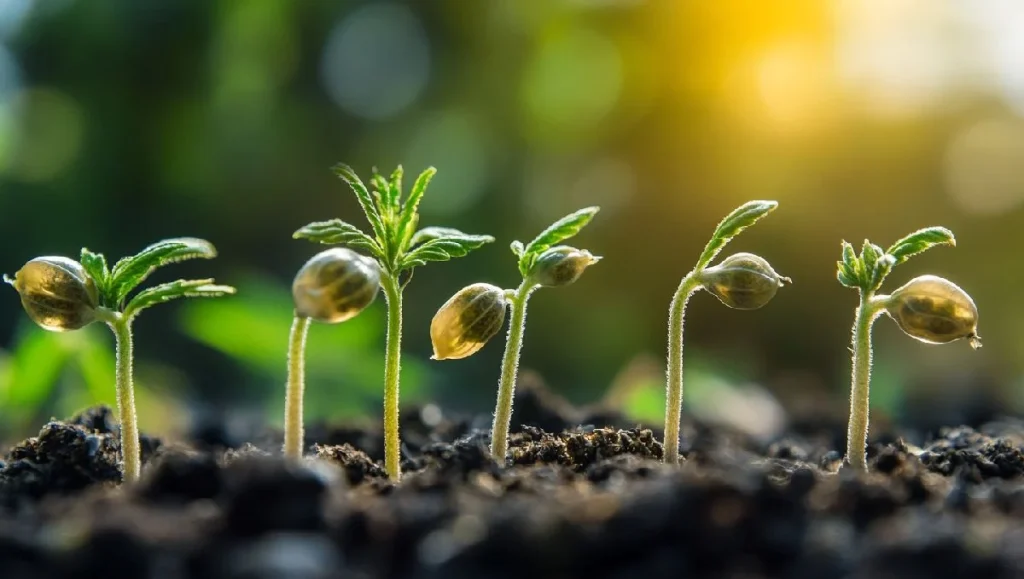
Cannabis cultivation begins with a simple yet critical step: germination. If you’re wondering how to germinate a cannabis seed, understanding the proper process is essential for healthy plant growth. Germination is the process of awakening a dormant seed to produce a sprout, marking the official start of your plant’s life. A successful germination process—achieving a strong, white taproot—creates the foundation for robust cannabis plants and a high‑yield harvest. In this guide, you will learn how to germinate a cannabis seed using proven methods and best practices to ensure strong and healthy seedlings.
Understanding Cannabis Seed Anatomy and Viability
Before you begin, it’s important to understand your seed. A healthy, viable cannabis seed is typically hard, dark brown, and features tiger-like stripes. Light-coloured, soft, or cracked seeds often indicate poor viability and should be avoided. The seed’s shell acts as a protective shield; the goal of germination is to soften this shell so the emerging taproot can break through.
- Viability Check: High-quality seeds are crucial for successful cannabis cultivation. Older seeds may require a light scarification (gently scratching the surface) to encourage water absorption.
The Three Pillars of Successful Sprouting
Successful seed germination requires the precise combination of three environmental factors. Controlling these variables is the key to minimizing stress and ensuring the highest germination rate:
- Moisture: Seeds need constant moisture (but should never be soaking wet) to soften the shell and trigger hormonal changes.
- Temperature: The ideal temperature range is warm and consistent, mimicking spring conditions.
- Darkness: Seeds are naturally protected underground; therefore, they need a dark place to initiate the sprouting process.
Temperature Control: The Crucial Element for Activation
Temperature is the single most important external factor. Too cold, and the seed will remain dormant; too hot, and you risk cooking the seedling.
- Ideal Range: Maintain a steady temperature between 70°F and 85°F (21°C – 29°C).
- Heat Source: Use a heat mat designed for seedlings to provide reliable bottom heat. Never place seeds directly on a hot surface.
- Monitoring: Use a thermometer inside your germination chamber or dome to ensure the temperature control is precise and consistent.
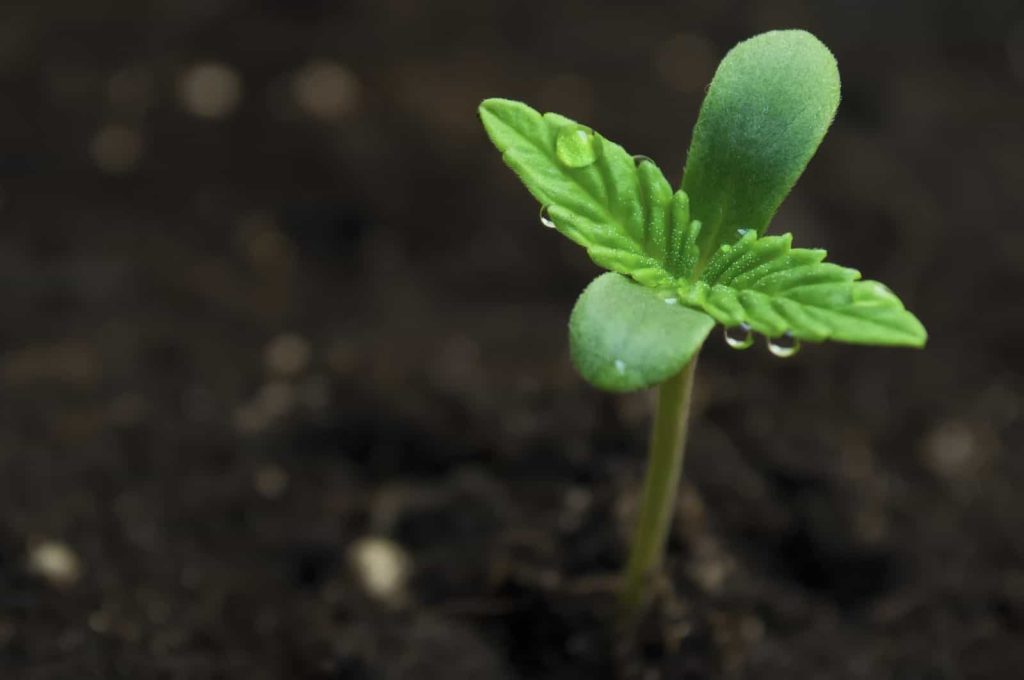
Method 1: The Paper Towel Method (The Classic Technique)
The paper towel method is simple, effective, and allows the grower to visually monitor the taproot’s emergence.
- Preparation: Lightly moisten (do not saturate) two paper towels with bottled or distilled water. Chlorine in tap water can hinder growth.
- Placement: Place the cannabis seeds between the two moist towels.
- Container: Place the towels inside a resealable plastic bag or between two plates (the “plate method”).
- Wait: Store the setup in a warm, dark place. Check daily for the emergence of the tiny, white taproot.
Method 2: The Water Soak Method (The Quick Starter)
The water soak method is useful for quickly hydrating seeds, particularly those with hard shells.
- Procedure: Drop the Cannabis seeds directly into a glass of room-temperature distilled water.
- Duration: Let them soak for a maximum of 18 to 24 hours. If a seed floats, gently tap it until it sinks, indicating it is absorbing water.
- Transfer: Once the seed sinks (or after 24 hours), immediately transfer it to a paper towel or directly into the soil to prevent drowning.
Method 3: Direct Soil Germination (The Low-Stress Approach)
Direct soil germination is arguably the least stressful method for the delicate seedling, as it avoids transplant shock.
- Medium: Use a light, aerated seed starting mix. Avoid nutrient-rich “hot” soil.
- Planting: Create a shallow hole, approximately half an inch (1.25 cm) deep.
- Cover: Place the cannabis seed in the hole, point-side up (if possible), and lightly cover it with the soil medium.
- Moisture: Gently mist the top layer of soil and cover the area with a plastic dome or wrap to ensure high essential humidity.
Troubleshooting Common Germination Problems
Not every seed sprouts easily. Knowing how to handle issues ensures a higher success rate:
- Damping Off: This fungal disease causes newly sprouted seedlings to collapse. Prevent this by ensuring good air circulation and avoiding excessively wet (soggy) soil.
- No Taproot: If the seed shell is too hard, gently and carefully scuff the seed with fine sandpaper (scarification) before soaking it.
- The Helmet Head: If the seed sprouts but the shell gets stuck on the cotyledons (first leaves), gently mist the shell to soften it, then use sterilized tweezers to remove it carefully.
The Transition: From Taproot to Seedling Stage
Once the taproot has emerged (about a quarter-inch long), it must be immediately transferred into a medium to start the seedling stage.
- Transplanting: Handle the sprouted seed with sterilized tweezers, holding only the shell, not the delicate root.
- Planting: Place the sprouted seed, root-down, into a moist, airy medium like rockwool cubes or light soil mix, about half an inch deep.
- Light: Immediately after transplanting, the seedling needs weak, gentle light (a low-power CFL or LED) placed further away to encourage upright growth without burning.
Best Practices for Advanced Cannabis Cultivation
For experienced growers aiming for professional results, integrating advanced practices improves the success rate:
- Sterilization: Always use sterilized water, tweezers, and containers to prevent bacteria or mold from killing the vulnerable sprout.
- pH Balance: Use filtered water with a pH level between 6.0 and 6.5. An imbalanced pH can block nutrient uptake even in pure water.
- Humidity: Use a plastic dome to maintain high essential humidity (around 70-80%) during the first week.
Successful Cannabis Cultivation: A Summary of Key Steps
Mastering cannabis seed germination is the most crucial step in the entire growing cycle. By maintaining optimal temperature, providing consistent moisture, and choosing a low-stress method, you dramatically increase the chances of successfully transitioning your seed into a healthy, vigorous plant ready for the vegetative phase. Choose your method, control your environment, and prepare for a rewarding cannabis growing journey.


