
Anxiety is one of the most common reasons people turn to cannabis, yet the relationship between the plant and stress is complex. For some, a few puffs of a vape melt away the day’s tension; for others, it can induce a spiral of paranoia. The difference often lies not in the user, but in the product choice.
By understanding cannabinoids, terpenes, and proper cannabis dosage, you can curate an experience that soothes the mind rather than racing it.
Understanding the Link Between Cannabis Products and Anxiety
The human body possesses a complex network of receptors called the Endocannabinoid System (ECS). The ECS plays a crucial role in regulating mood, sleep, and stress responses. When you consume cannabis, compounds like THC and CBD bind to these receptors, altering your state of mind.
Research suggests a “biphasic” effect with cannabis and anxiety. In low doses, cannabinoids can act as anxiolytics (anxiety reducers). However, in high doses—specifically high doses of THC—they can become anxiogenic (anxiety-inducing). This makes product selection and dosage the two most critical factors in your journey toward relief.
The Science: CBD vs. THC for Stress Relief
To choose the right product, you must distinguish between the two primary powerhouses of the cannabis plant:
THC (Tetrahydrocannabinol): The psychoactive compound responsible for the “high.” While it can produce euphoria and relaxation, high levels of THC are the primary culprit behind cannabis-induced paranoia and rapid heart rate.
CBD (Cannabidiol): The non-intoxicating compound. CBD is widely celebrated for its ability to calm the nervous system, reduce physical tension, and counteract the psychoactive intensity of THC.
The Verdict: For anxiety, products that prioritize CBD or offer a balanced blend are generally safer and more effective than high-THC products.
Why Terpenes Matter
If cannabinoids are the engine, terpenes are the steering wheel. Terpenes are aromatic oils that give cannabis its smell and flavor, but they also dictate how a strain makes you feel. When shopping for anxiety relief, check the label for these specific terpenes:
Linalool: Also found in lavender, this terpene is famous for its floral scent and sedative, calming properties.
Myrcene: The most common terpene in commercial cannabis. It has an earthy, musky aroma and is known for its “couch-lock” muscle-relaxing effects.
Beta-Caryophyllene: Peppery and spicy, this terpene interacts with the body’s CB2 receptors to potentially reduce inflammation and stress.
Limonene: Citrusy and bright. While usually uplifting, Limonene can help combat depression and social anxiety, though it should be used in moderation if you are prone to panic attacks.
Top High-CBD Strains for Anxiety (Non-Intoxicating)
If you want to avoid the “high” entirely, look for hemp-derived products or cannabis strains bred specifically for CBD content.
ACDC: A phenotype of Cannatonic, ACDC contains extremely low THC and high CBD. It is widely used by patients who need to focus, work, or socialize without impairment.
Charlotte’s Web: Famous for its use in epilepsy treatment, this hemp-derived strain is excellent for generalized anxiety and physical tension.
Ringo’s Gift: A cross of Harle-Tsu and ACDC, this strain often tests at 24:1 CBD-to-THC, providing a wave of relaxation for the body without clouding the mind.
Best Balanced Strains for Anxiety (Mild Psychoactivity)
For those who want a slight mood lift along with their relief, balanced strains are the gold standard.
Harlequin: One of the most popular strains for anxiety. It typically features a 5:2 CBD-to-THC ratio. Users report feeling alert and uplifted but physically relaxed.
Cannatonic: A hybrid strain that produces a short-lived, mellow high. It is excellent for panic attacks because it acts quickly to ground the user.
Pennywise: Don’t let the name scare you. This cross between Harlequin and Jack the Ripper is known for mental clarity and a sense of calm well-being.
Indica vs. Sativa: Which is Better for Calming Nerves?
The traditional wisdom states that Indica strains are sedating (“In-da-couch”) and Sativa strains are energizing. While modern botany shows this is an oversimplification (terpenes matter more), the classification is still useful for beginners.
Indica for Anxiety: Generally safer. Strains like Granddaddy Purple or Northern Lights are physically sedating and slow down racing thoughts. They are best for nighttime anxiety or insomnia.
Sativa for Anxiety: Proceed with caution. Strains like Sour Diesel or Jack Herer can be too stimulating, potentially inducing jitters or paranoia. However, some social anxiety sufferers prefer light Sativas for the energy boost they provide in social settings.
Edibles, Tinctures, or Vapes: Choosing the Right Product Type
How you consume cannabis determines how quickly relief arrives and how long it lasts.
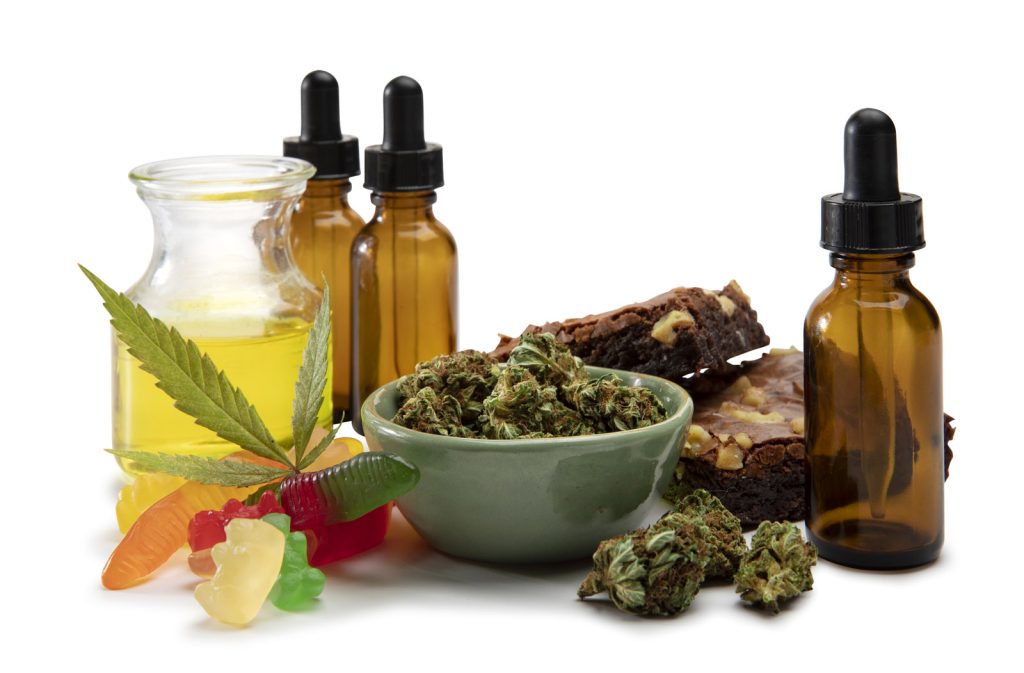
Tinctures (Sublingual Oil): Best Overall Choice. By placing drops under the tongue, you can control your dosage with precision. Effects start in 15–30 minutes and last several hours.
Edibles (Gummies/Chocolates): Great for long-lasting relief, but they have a delayed onset (1–2 hours). Warning: It is easy to overconsume edibles while waiting for them to kick in, which can lead to increased anxiety.
Vaporizers/Flower: The fastest relief (1–5 minutes). This is ideal for stopping a panic attack in its tracks, but the effects wear off faster, requiring more frequent dosing.
The Microdosing Method: Avoiding the “Paranoia” Trap
Microdosing involves taking the smallest amount of cannabis necessary to feel a therapeutic effect without feeling “stoned.” This is arguably the best strategy for anxiety.
Start with a dose of 1mg to 2.5mg of THC. Wait 90 minutes to see how you feel. If you feel calm but not intoxicated, you have found your sweet spot. Most anxiety sufferers find that “less is more”—a high dose often counteracts the anti-anxiety benefits.
Safety First: Potential Side Effects and Interactions
While cannabis is generally safe, it is not without risks.
Drug Interactions: CBD interferes with the liver enzyme CYP450, similar to grapefruit. If you take blood thinners, antidepressants (SSRIs), or heart medication, consult your doctor.
The “Greening Out” Effect: Taking too much THC can cause nausea, dizziness, and panic. If this happens, stay hydrated, chew on black peppercorns (which contain anxiety-relieving terpenes), and remember that the sensation is temporary.
FAQs
1. Will taking CBD oil for anxiety make me feel high?
No, CBD is non-intoxicating and does not produce the “high” associated with THC.
2. Is Indica or Sativa better for calming nerves?
Indica is generally better as it is physically sedating, while Sativa can sometimes cause jitters.
3. Can I take cannabis alongside my current prescription anxiety medication?
Consult your doctor first, as CBD can interfere with liver enzymes that process many medications.
4. How long does it take for the anxiety relief to kick in?
Inhalation works in minutes; tinctures take 15–30 minutes, and edibles take 1 to 2 hours.
Conclusion
The best cannabis product for anxiety is one that fits your personal biology. For most people, this means starting with a high-CBD tincture or gummy rich in terpenes like Linalool and Myrcene. Remember to start low, go slow, and prioritize balance over potency. By treating cannabis as a wellness tool rather than just an intoxicant, you can unlock its potential to provide genuine peace of mind.


