
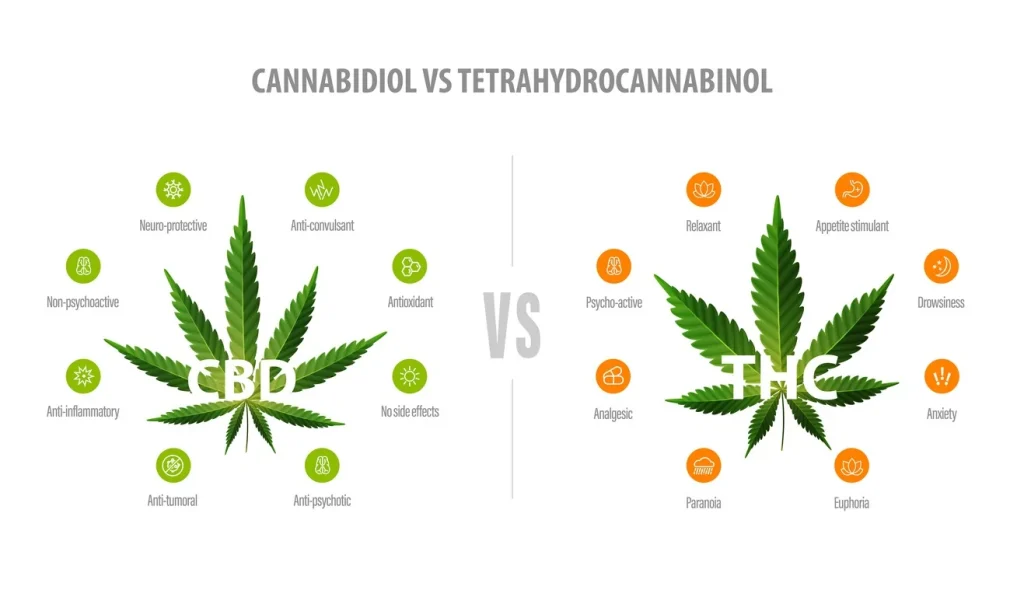
The cannabis plant contains many active compounds, but two of the most well-known are Cannabidiol (CBD) and Tetrahydrocannabinol (THC). These cannabinoids interact with the body in different ways and produce different effects. Understanding CBD vs THC is essential for anyone interested in cannabis wellness, medical use, or therapeutic benefits.
Although both compounds come from the same plant, their impact on the mind and body is very different. While THC is known for producing a psychoactive “high,” CBD is popular for its calming and therapeutic effects without intoxication.
CBD vs THC: Key Differences Explained
The biggest difference between CBD vs THC is how they affect the brain and nervous system. THC directly interacts with brain receptors responsible for mood and perception, which causes the well-known euphoric effect. CBD, on the other hand, works indirectly with the body’s systems and does not create a high.
Another important difference is how these cannabinoids are used for health and wellness. Many people prefer CBD for daily stress management and inflammation relief, while THC is often used for stronger pain relief or appetite stimulation.
Key differences include:
- THC produces psychoactive effects
- CBD is non-intoxicating
- THC strongly binds to brain receptors
- CBD works more indirectly in the body
- CBD products are often derived from hemp, while THC is typically found in marijuana
These distinctions help consumers choose the right compound depending on their needs.
How CBD and THC Work in the Endocannabinoid System
Both CBD and THC interact with the endocannabinoid system (ECS), a regulatory network in the human body that helps maintain balance. The ECS controls many functions such as sleep, mood, appetite, pain sensation, and immune response.
THC binds directly to CB1 receptors in the brain and central nervous system. This strong interaction alters brain signaling, leading to feelings of relaxation, euphoria, and altered perception.
CBD works differently. Instead of binding directly to these receptors, it influences them indirectly and may help regulate the body’s natural endocannabinoids. It also interacts with other receptors related to mood and stress regulation, such as serotonin receptors.
This difference in interaction explains why the effects of CBD and THC are so different.
CBD vs THC Effects and Benefits
Both cannabinoids provide therapeutic benefits, but their effects vary depending on the user and the dosage.
THC Effects
THC is responsible for the classic cannabis experience. Common effects include:
- Euphoria or relaxation
- Increased appetite
- Altered perception of time
- Pain relief
- Nausea reduction
Medical professionals sometimes recommend THC for conditions such as severe chronic pain, chemotherapy-related nausea, and appetite loss.
CBD Effects
CBD is widely used as a wellness supplement because it offers therapeutic benefits without intoxication.
Common benefits include:
- Anxiety and stress relief
- Reduced inflammation
- Pain management
- Improved sleep quality
- Support for seizure disorders
Many people choose CBD because it allows them to remain clear-headed while still experiencing relief.
CBD vs THC for Anxiety, Pain, and Sleep
Different cannabinoids are often used for different health goals.
For anxiety and stress, CBD is usually the preferred option because it promotes calmness without causing mental impairment. THC can sometimes worsen anxiety in higher doses.
For chronic pain, both compounds may help. THC may provide stronger pain relief, while CBD may reduce inflammation and improve comfort without psychoactive effects.
For sleep problems, THC may help users fall asleep faster, while CBD may improve overall sleep quality by reducing anxiety and stress levels.
Choosing the right option depends on the individual’s health needs and tolerance.
The Entourage Effect: Why Cannabinoids Work Better Together
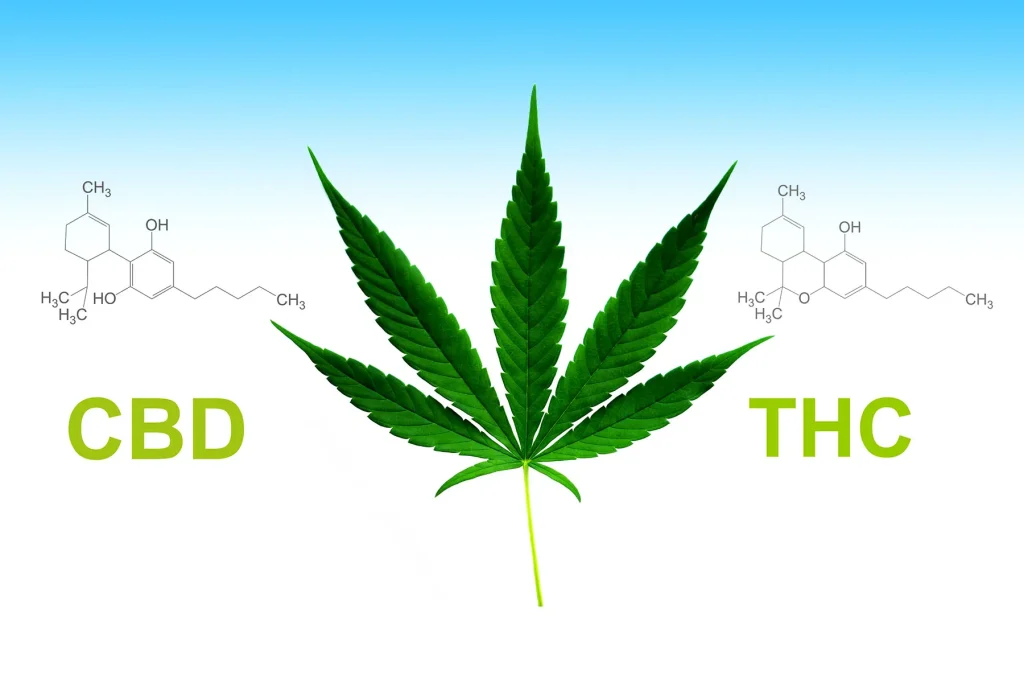
Researchers often discuss the entourage effect, a theory suggesting that cannabinoids work better when combined with other natural compounds found in cannabis.
In addition to CBD and THC, cannabis contains aromatic molecules called terpenes that contribute to the plant’s smell and therapeutic properties. When cannabinoids and terpenes interact together, their combined effects may be stronger than when used alone.
For example:
- 1:1 CBD to THC ratio is often used for balanced pain relief and relaxation
- High-CBD ratios (10:1 or 20:1) are preferred for anxiety relief without intoxication
CBD vs THC Side Effects and Safety
Although both cannabinoids are generally considered safe, they can produce side effects.
THC Side Effects
Possible THC side effects include:
- Dry mouth
- Red eyes
- Increased heart rate
- Short-term memory issues
- Anxiety or paranoia in high doses
Because of these effects, beginners are advised to start with very small THC doses.
CBD Side Effects
CBD is generally well tolerated. Possible mild side effects include:
- Fatigue
- Changes in appetite
- Dry mouth
However, CBD can interact with certain medications because it affects liver enzymes that process many prescription drugs. Anyone taking medication should consult a healthcare professional before using CBD products.
The “Entourage Effect”: Better Together?
While both compounds are powerful alone, many experts believe they work better together. This is known as the Entourage Effect.
This theory suggests that cannabinoids (CBD and THC), along with other aromatic plant compounds called terpenes ( maybe we can make this a hyperlink to another article explaining what terpenes are, they are super interesting, work synergistically—meaning their combined effect is greater than the sum of their individual parts.
The most practical application of the Entourage Effect involves using CBD to counteract THC’s negative side effects. By using products with balanced ratios, consumers can achieve potent relief without the extreme intoxication. Popular ratios include:
- 1:1 (Balanced): Often cited as the “Golden Ratio” for maximum pain relief and mood lift.
- 10:1 or 20:1 (High CBD): Ideal for anxiety relief where psychoactivity must be avoided.
Potential Side Effects and Safety Profiles
Understanding the risks of each compound is essential for responsible use:
THC Side Effects
The most common side effects are mild, including dry mouth and red eyes. However, high doses can lead to paranoia, increased heart rate, short-term memory impairment, and severe anxiety. For this reason, users new to cannabis or those prone to anxiety should start with very low THC doses or CBD-dominant products.
CBD Side Effects and Interactions
CBD is extremely well-tolerated. Reported side effects are typically minor: mild fatigue, dry mouth, or changes in appetite. However, a significant safety consideration is drug interaction. CBD can interfere with the liver enzyme CYP450, which processes up to 60% of common medications (including blood thinners and certain antidepressants). Anyone taking prescription medication must consult a healthcare professional before starting CBD.
Legal Status and Sourcing: Hemp vs. Marijuana
The legal distinction between CBD and THC often comes down to the source plant:
- Hemp: Legally defined in many jurisdictions (including the US) as a cannabis plant containing less than 0.3% THC by dry weight. CBD derived from hemp is often widely legal.
- Marijuana: Cannabis containing more than 0.3% THC. Products derived from marijuana remain strictly regulated and are often illegal outside of specific state or national programs.
This legal line ensures that hemp-derived CBD products (like oils and tinctures) are accessible for those seeking non-intoxicating wellness support.
Choosing the Right Compound: A User’s Guide
The choice between CBD and THC (or a combination) depends entirely on your therapeutic goal and your tolerance for intoxication:
- Goal: Focus, Daytime Anxiety, Inflammation: Choose High-CBD products (20:1 ratio or pure CBD isolates).
- Goal: Insomnia, Severe Pain, Appetite: Choose THC-dominant or Balanced 1:1 products, generally reserved for nighttime use.
A golden rule for both compounds is Start Low, Go Slow. Begin with a very small dose and only increase once you understand how your body reacts.
Methods of Consumption: Delivery and Duration
The chosen method affects how quickly the benefits are felt and how long they last:
- Inhalation (Vaping/Smoking): Fastest relief (instantly to within minutes), ideal for acute symptoms like a panic attack or sudden severe pain, but the effects are shorter-lived (2–4 hours).
- Sublingual (Tinctures/Oils): Moderate onset (15–45 minutes), allows for precise dosing under the tongue, and offers moderate duration (4–6 hours). The plant is absorbed in the sublingual system which is also quicker as opped to an edible.
- Oral (Edibles/Capsules): Slowest onset (1–2 hours) because it must be digested by the liver, but it provides the longest duration (up to 8 hours), making it best for sustained, all-day or all-night relief.
Final Takeaway: The Importance of Informed Choice
When comparing CBD vs THC, the right option depends on your wellness goals, tolerance level, and desired effects. CBD and THC are not interchangeable; they are two distinct tools in the wellness toolbox. THC provides potent relief often accompanied by intoxication, while CBD provides non-intoxicating calm and systemic balance. By understanding their different mechanisms, therapeutic potential, and legal profiles, you can confidently navigate the market and select the exact product that supports your individual health and wellness needs. Always prioritize safety and consult with experts to find your optimal ratio.


